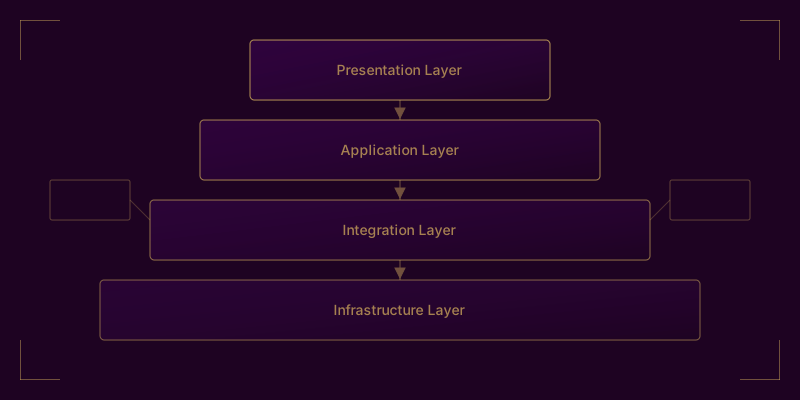
Architecture & System Design
ERP architecture fundamentals, modular design patterns, and system integration approaches.
Monolithic vs Modular ERP: Trade-offs and Decision Framework
A practical analysis of monolithic and modular ERP architectures, examining the trade-offs in implementation complexity, integration overhead, vendor lock-in, and long-term adaptability.
Database Architecture: Multi-Tenant vs Dedicated
Technical and business considerations for ERP database architecture, including data isolation, performance, compliance implications, and cost trade-offs.
API-First ERP Integration Patterns
Modern integration patterns for ERP systems, covering REST APIs, webhooks, event-driven architectures, and the practical realities of connecting ERP to your broader application landscape.
Real-Time vs Batch Processing in ERP
Understanding when real-time processing adds value versus when batch processing remains appropriate, including performance implications and architectural requirements.
ERP Scalability Architecture Patterns
How ERP systems scale to handle growth, covering vertical vs horizontal scaling, database sharding, caching strategies, and the architectural patterns that support business expansion.
Kubernetes for ERP: When and How to Containerise
Understanding when Kubernetes makes sense for ERP workloads, containerisation strategies, and the operational considerations for running enterprise applications in orchestrated environments.
Terraform for ERP Infrastructure: Infrastructure as Code
Implementing Infrastructure as Code for ERP deployments using Terraform, covering module design, state management, and operational patterns for repeatable, auditable infrastructure.
Multi-Cloud Strategy for ERP
Understanding when multi-cloud makes sense for ERP deployments, the architectural patterns that enable portability, and the operational complexity that multi-cloud introduces.
Navigation
Return to Knowledge Platform